Overcoming Poverty in Nigeria: 8 Relatable Challenges and How Hope For Indigent Persons is Turning the Tide
Have you ever wondered what it truly feels like to wake up each day unsure if you’ll eat, or if your child’s next illness could be the breaking point? In Nigeria, where over 133 million people grapple with multidimensional poverty, lacking not just money, but access to health, education, and basic dignity, these questions aren’t hypothetical. They’re daily realities for millions. But amid the hardship, organizations like Hope For Indigent Persons (HIP) are stepping in with targeted support, from seed funding for single mothers to nourishment programs for vulnerable children. Drawing from real-life stories across the nation, this post explores eight key challenges driving engagement online, while highlighting how HIP’s compassionate initiatives are fostering hope and sustainable change. Whether you’re seeking ways to help or simply understanding the fight against poverty in Nigeria, read on your next step could make a difference.
1. Personal Stories of Overcoming Poverty and Its Emotional Toll
What if your family’s sudden fall from stability left you scavenging for survival, only to rise through sheer resilience? This isn’t a distant tale, it’s the lived experience of countless Nigerians, where poverty doesn’t just empty pockets but shatters spirits. Take Charity from Enugu State, a single mother who once struggled to feed her children after her partner’s business failed. She recalls days of skipping meals, her heart heavy with the emotional weight of watching her kids go hungry, yet she pushed forward by starting a small trade with community support. Her story echoes the raw pain of poverty’s emotional toll, feelings of shame, isolation, and despair that linger long after financial recovery begins.
Or consider Uduak Pius from Kaduna, a mother of six who endured the trauma of losing her sister-in-law, only to face pregnancy amid deepening hardship. “I was yet to recover from the trauma,” she shared, highlighting how poverty amplifies grief, turning everyday survival into an emotional battlefield. These aren’t near-fiction; they’re real accounts from Nigerians who’ve clawed their way out, often with a mindset shift realizing that poverty strips you naked, but resilience rebuilds you stronger.
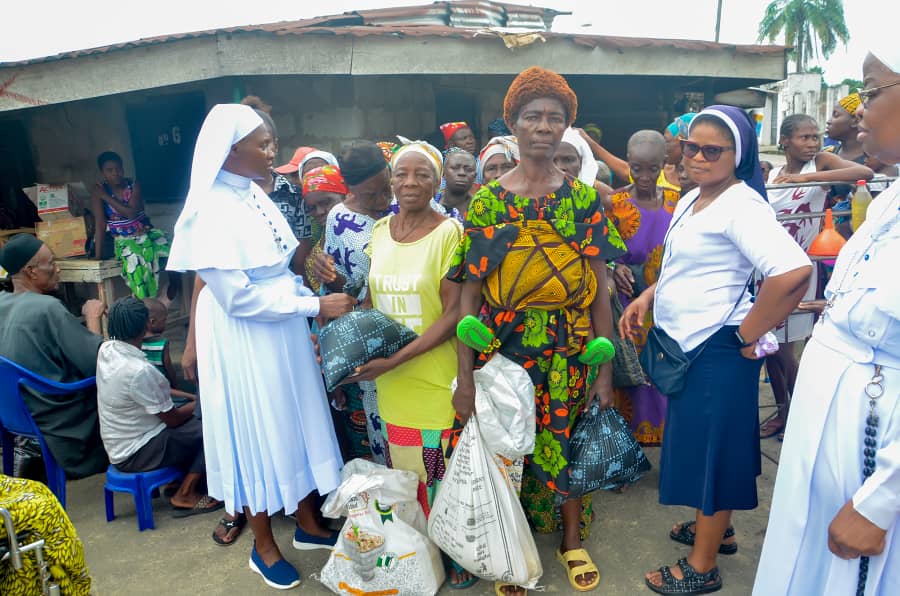
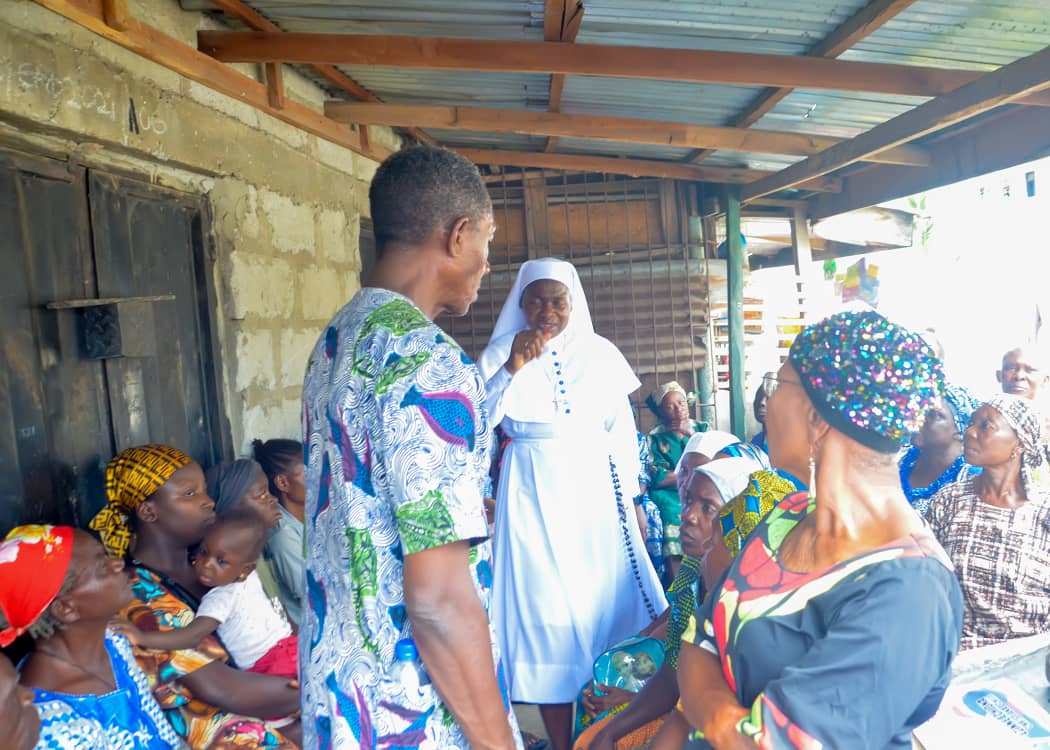
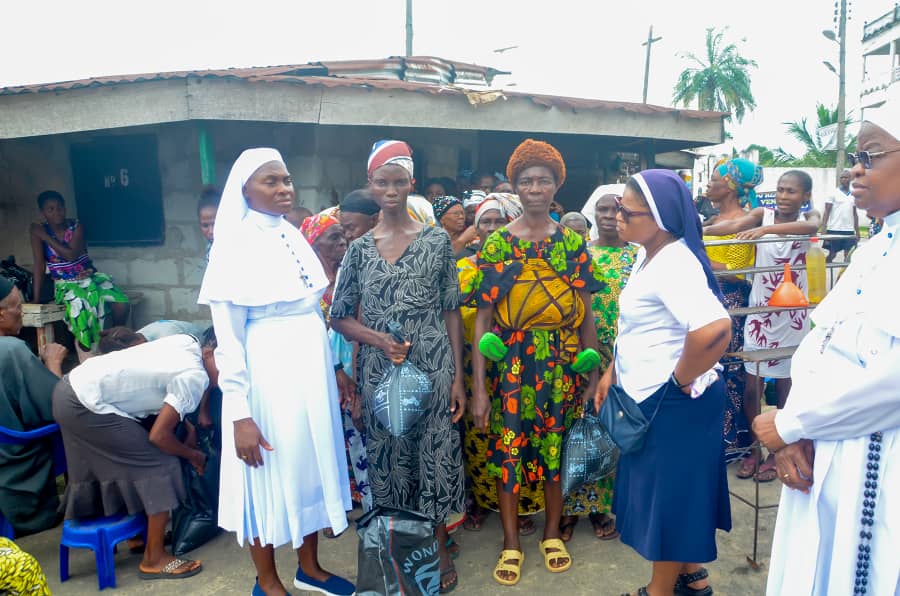
At Hope For Indigent Persons, they understand this deeply. As a non-profit focused on extreme poverty in Nigeria, HFIP provides seed funding to indigent individuals, sparking transformative changes. One success story involves three recipients who turned small grants into sustainable livelihoods, breaking free from the emotional chains of dependency. “We believe that every person, regardless of circumstance, deserves dignity, health, and the opportunity to thrive,” says HIP, echoing Mother Teresa’s wisdom: “If you can’t feed a hundred people, then feed just one.” Have you shared your own story of overcoming? Linking with HIP’s initiatives could inspire others Click on About us to learn more.
These narratives drive online engagement because they’re relatable, reminding us that poverty’s emotional scars heal through community and targeted aid, not handouts alone.
2. Food Insecurity, Hunger, and Malnutrition Crises
Imagine skipping meals not by choice, but because your next one depends on luck, how long could you endure? In Nigeria, with 33 million facing acute hunger in 2025-2026, this crisis isn’t abstract; it’s the daily fight for families like Hadiza’s in Borno State. Her 18-month-old daughter Jamila nearly succumbed to severe malnutrition until volunteers from a local NGO intervened, providing therapeutic feeding that saved her life. Hadiza’s tearful account “I was fighting for my child’s life” captures the heartbreak of mothers watching children waste away from lack of basics like rice or vegetables.
Similarly, Maryam, 20, from northeastern Nigeria, measures her baby’s arm only to find severe malnutrition, surviving on monotonous maize and sorghum amid displacement. These stories flood online spaces, sparking outrage and calls for action because who hasn’t felt the pang of an empty stomach, amplified a thousand fold in poverty?
HFIP tackles this head-on by addressing hunger and treatable diseases through nourishment programs, especially for indigent children and single-parent mothers. Their seed funding has enabled families to grow small gardens, echoing initiatives, where community efforts combat food scarcity. As Mahatma Gandhi noted, “The best way to find yourself is to lose yourself in the service of others”, a principle HFIP embodies. Could donating to their food security drives change a child’s fate? Join the fight against Nigeria’s malnutrition epidemic.
3. Poverty Mindset vs. Structural Poverty
Is poverty a mindset of dependency, or a structural trap built by systemic failures, perhaps both, trapping Nigerians in endless cycles? Debates rage online, like those critiquing a “begging culture” where crowds swarm celebrities for handouts, as seen in viral videos from Lagos. Yet, real stories reveal the structural side: in rural Nigeria, farmers like Mandeepa Patel face urbanization and poor governance, limiting access to loans and markets, perpetuating a “broken spirit” beyond individual will.
Take Sumaili, who expanded his farm with project aid, boosting income and educating his children, proving that while mindset matters, structural barriers like colonialism’s legacy often dominate. These discussions gain traction because they challenge norms: why blame the poor when policies fail them?
HFIP bridges this by fostering dignity through seed funding, avoiding handouts that reinforce dependency. Their work with marginalized communities in Imo State shifts mindsets toward self-reliance, as one beneficiary shared: “This has been a lifesaver.” Drawing from Matthew 25:40, “Whatever you did for one of the least… you did for me”, HIP promotes structural change. What if your support helped rewrite these narratives?
4. Support for Vulnerable Groups: Orphans, Widows, and Disabled Persons
Ever pictured a widow raising disabled children alone, her dreams deferred by endless barriers? In Nigeria, vulnerable groups like these bear poverty’s brunt, as in Mrs. Faith’s story, a mother of nine, including three with disabilities, struggling for basics without support. Or John from Zambia, abandoned at 3 and rescued to an orphanage, now thriving in high school, highlighting how aid transforms lives.
These tales resonate online, urging empathy for orphans, widows, and the disabled amid HIV/AIDS impacts on OVC (orphans and vulnerable children). Why do we overlook them when simple interventions could restore dignity?
HIP prioritizes these groups, offering healthcare, shelter, and mentorship for indigent children and single mothers. Their success stories of empowered widows align with initiatives like Succor For Orphans Widows & The Disabled, providing skills and opportunities. “Small acts of great love,” as Mother Teresa said, define their approach. Ready to contribute? Reach out to us today.
5. Government Failures and Calls for Policy Reforms
What happens when misplaced priorities leave millions in despair, begging global leaders for intervention? Nigeria’s government failures, from corruption to inadequate safety nets, fuel online outcry, as in pleas from the “battered masses” on International Poverty Eradication Day. Real accounts, like those from displaced families in Borno, show how insecurity and poor policies exacerbate hunger.
ActionAid Nigeria slams governance for ignoring poverty’s rise, projecting worse by 2027 due to weak accountability. These stories demand reforms, investing in education over handouts.
HFIP answers by advocating compassionate action, complementing policy gaps with direct aid. Their Jubilee of the Poor initiative calls for inclusive development, urging reforms. As Gandhi urged service, HIP pushes for change. How can you advocate? Engage us today.
6. Multidimensional Poverty: Access to Basics Like Power, Water, and Housing
Picture families rationing water from dirty wells, or enduring blackouts that halt progress – multidimensional poverty’s harsh face in Nigeria. In Oto/Ijanikin, Lagos, 74% lack clean water, forcing reliance on unsafe sources amid housing woes. Stories from rural women reveal security shocks and unemployment as top deprivations.
With 40% affected, these basics elude even salaried workers. Why tolerate this when solutions exist?
HIP’s clean water and shelter projects transform lives, providing dignity. Their efforts, inspired by biblical calls, address these gaps. Supporting us today could help light a home?
7. Charity Best Practices and Top Organizations
Tired of ineffective giving where donations vanish without impact? Best practices emphasize sustainability, like Lagos Food Bank’s nutrition drives or Slum2School’s education for slum kids. Real impacts shine in Oxfam Nigeria’s poverty alleviation, empowering communities.
Top orgs like Bet9ja Foundation focus on health and poverty. What makes effective charity? Verified, opportunity-driven aid.
HIP exemplifies this with transparent seed funding and community focus, earning praise for transformative work. Join our verified efforts – your donation counts.
8. Cultural and Religious Dimensions of Poverty and Charity
In a nation where faith shapes giving, how do cultural norms perpetuate or alleviate poverty? Islamic almsgiving and Christian charity intersect, as in Igbo community systems aiding the poor. Stories from faith-based FBOs show poverty as a moral call, with churches fighting injustice.
Religious rivalry sometimes hinders, but collaborative efforts prevail. Why not harness this for unity?
HIP, inspired by Mother Teresa, blends faith with action for inclusive development. Their feast celebrations inspire service- participate and bridge divides.